
Why the sticker price is the wrong number to compare
Every version of this argument starts the same way: a real plant costs $30, a faux one costs $150, so the real one is five times cheaper. That comparison is wrong — it sets a one-off purchase against the first instalment of a recurring one.
A living plant behaves like a subscription: consumables, occasional failure, and time every week whether it is thriving or not. A faux plant behaves like furniture — one price, then small, predictable upkeep. Three years is a fair window, roughly how long people keep a room the same before moving or redecorating.

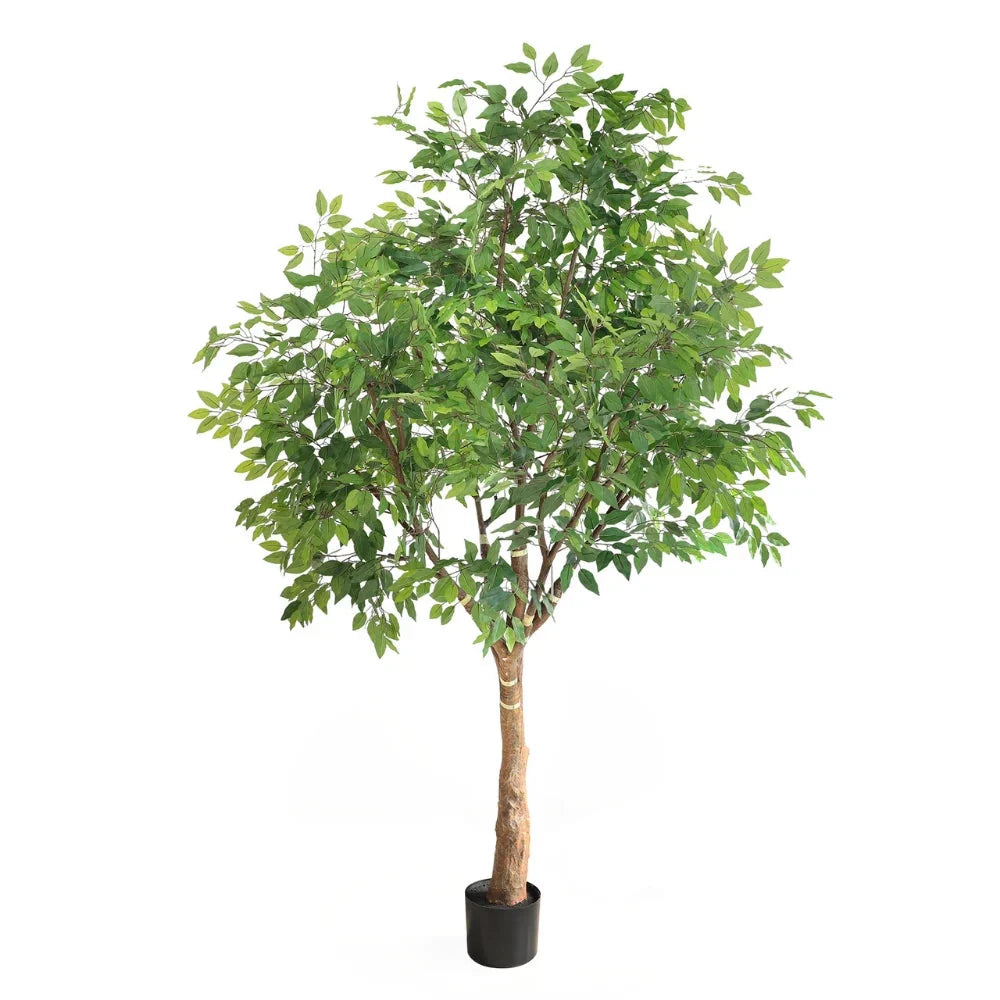
One large piece sets the baseline for the whole room.
The five cost lines nobody writes down
1. Purchase. The only line most people compare, and the one real plants win almost every time.
2. Replacement. The line that decides the argument. Nobody replaces everything, but most people replace some plants every year — and a tall, expensive one failing hurts far more than a twelve-dollar one.
3. Consumables. Potting mix, fertiliser, a cache pot that fits, saucers, and the grow light you buy in year two.
4. Utilities. Water is negligible; a grow light running all winter is not, and it is the only utility line worth writing down.
5. Time. Watering, rotating, pruning, repotting. Small per week, not small over three years, and the line people leave out most often.
Then there is the cost that never appears on a receipt: the gap. A dead plant leaves a bare corner you refill at short notice, usually with something pricier than you planned.
A worked three-year example: one large plant
The table is a template, not a price list — fill in your own numbers. It compares one large floor plant across three years.
| Cost line | Real | Artificial |
|---|---|---|
| Purchase | Low | Several times higher |
| Consumables | Soil, pot, feed — recurring | Optional planter, once |
| Replacement | One failure is common | None expected |
| Light and water | Grow light plus water | None |
| Time, 3 years | Roughly 30–40 hours | Roughly 5–6 hours |
The gap narrows a great deal — add one failure or one grow light and it often closes completely. And this is rarely about money in the abstract: it is whether the recurring version is a cost you want. If you enjoy watering, that time costs nothing. If you forget for three weeks whenever work gets busy, it is the most expensive line here.
What the extra money buys you with real plants
This is written by a faux plant shop, so it is worth being plain about what living plants do better — the answer is not nothing.
Growth, scent and season. A plant that outgrows its pot is a small event in a room; a windowsill herb smells of something and changes month to month. Nothing artificial does either.
Propagation. The strongest financial argument for real plants, and the one most often missed: many houseplants divide or root from cuttings, so one purchase becomes several.
What we will not do is claim health benefits. You will see air-purifying claims attached to houseplants everywhere; a few plants in a room do not do what those claims imply.
What artificial costs that people forget
The upfront is genuinely higher. A 7.9ft ficus tree is a considered purchase in a way a nursery plant never is.
Cleaning. About ten minutes a month plus a wash twice a year: a few hours over three years, and an order of magnitude less than watering.
Eventual replacement. Faux plants do not last forever, and we will not put a number on it: lifespan depends far more on where a piece stands than on how it is built. Indoors and out of direct sun it does far better than on an exposed porch all summer. Our taller trees are shaped over rust-resistant metal frames, which is what lets them hold a silhouette at height — but no frame stops colour fading.
Pot weight, if it goes outside. Every plant here ships in a basic nursery pot with no added weight in the base — convenient indoors, where you can slide a six-foot tree around while deciding. On a windy porch or balcony, drop it inside a heavier decorative planter the day it arrives. Narrow and tall catches wind hardest.

Outdoors, the planter does the work — not the plant.
Room by room: the honest verdict
| Where it goes | Better bet | Why |
|---|---|---|
| North-facing corner | Artificial | Real plants decline slowly and quietly |
| Bright kitchen windowsill | Real | Herbs get used, cheap to replace |
| Windowless bathroom | Artificial | No light to work with |
| High shelf, above cabinets | Artificial, always | Nothing should need watering at height |
| Windowless office desk | Artificial | You will not remember to water it |
| Covered porch | Artificial | Seasonal colour costs more per month |
| Sunny sunroom | Real | The light is the reason for the room |
| Rental or guest room | Artificial | No moving-day mess, no gamble on light |
Ferns show the rule at work: a real Boston fern in a bathroom is genuinely difficult and gets replaced more than once, while artificial Boston ferns give the same fronds for an occasional rinse. Orchids are the same case — a real phalaenopsis is a commitment; a white phalaenopsis orchid is the look without one.
The hybrid plan most people end up with
Almost nobody lands entirely on one side. What people settle into is a split: a few real plants where the light is good, faux structure everywhere else.
The faux half has one job: keeping the room looking finished on the weeks you do nothing at all. A tall ficus in the corner, a 71in areca palm behind the sofa or a dracaena beside it means the room never looks bare even when everything else is struggling.
Then add real plants at hand height in your brightest spots — three or four is plenty.
One rule saves money: never put a living plant somewhere you would be annoyed to find it dead. Those are the purchases that get replaced twice.

Five profiles, and what each should buy
You travel for work. Faux for anything you would otherwise hand to a neighbour. Two weeks away kills more houseplants than anything else.
You have a cat or dog that eats greenery. Several of the most common houseplants appear on veterinary toxic lists, so check the ASPCA list before buying anything living. Faux removes that question — with faux the concern is parts, not poison.
You rent, or you move every couple of years. Faux. No soil across the floor on moving day, no gamble on the light in the next place.
You like the hobby. Real for the ones you enjoy, faux for the rest. No need to pick a side.
One room, fixed budget. One or two large faux pieces change a room more than ten small real ones, and they are still there next year. Start with the cheapest way to get height, something like the 27in agave, then add living plants once you know which corners get light.

Frequently asked questions
Are artificial plants worth the money?
It depends on the spot, not the object. In a dark corner, on a high shelf, or anywhere you are away for two weeks at a time, the real plant is the expensive option, because you will buy it more than once. In a bright window you pass every morning, the real plant usually wins.
How long do artificial plants last?
We deliberately do not publish a lifespan figure, because it depends almost entirely on placement. Indoors and out of direct sun, a good piece holds up for years. Direct sun and weather are what age them.
Is it cheaper to keep replacing cheap real plants?
Sometimes. Fill in the second row of the table with what you spent replacing plants last year — that number, not the purchase price, decides it.
Do artificial plants need maintenance?
A little: a monthly dust and a wash twice a year. Dust is also what makes faux foliage read as fake across a room.
Do they look obviously artificial?
Cheap ones do. What separates them is leaf variation along a stem, a visible trunk or branch structure rather than a bare spike, and a planter that does not look like the nursery pot it shipped in.
What if it does not work once it is home?
You have 30 days from delivery to return it. Return terms apply, and a 10% fee is deducted from the refund — which is why measuring the corner first is worth five minutes.
Run your own numbers before you buy
The useful comparison is not real versus fake in general. It is this corner, at this height, with this much light, and how often you are actually home.
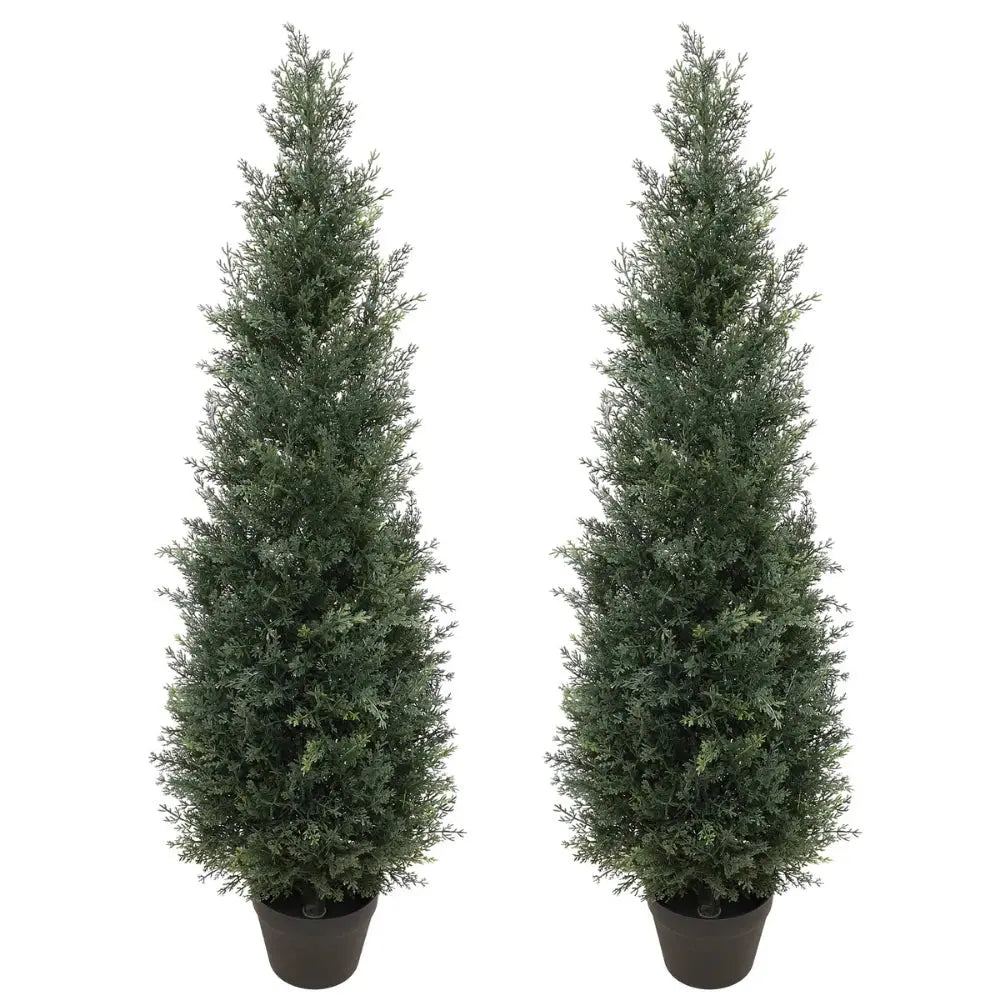
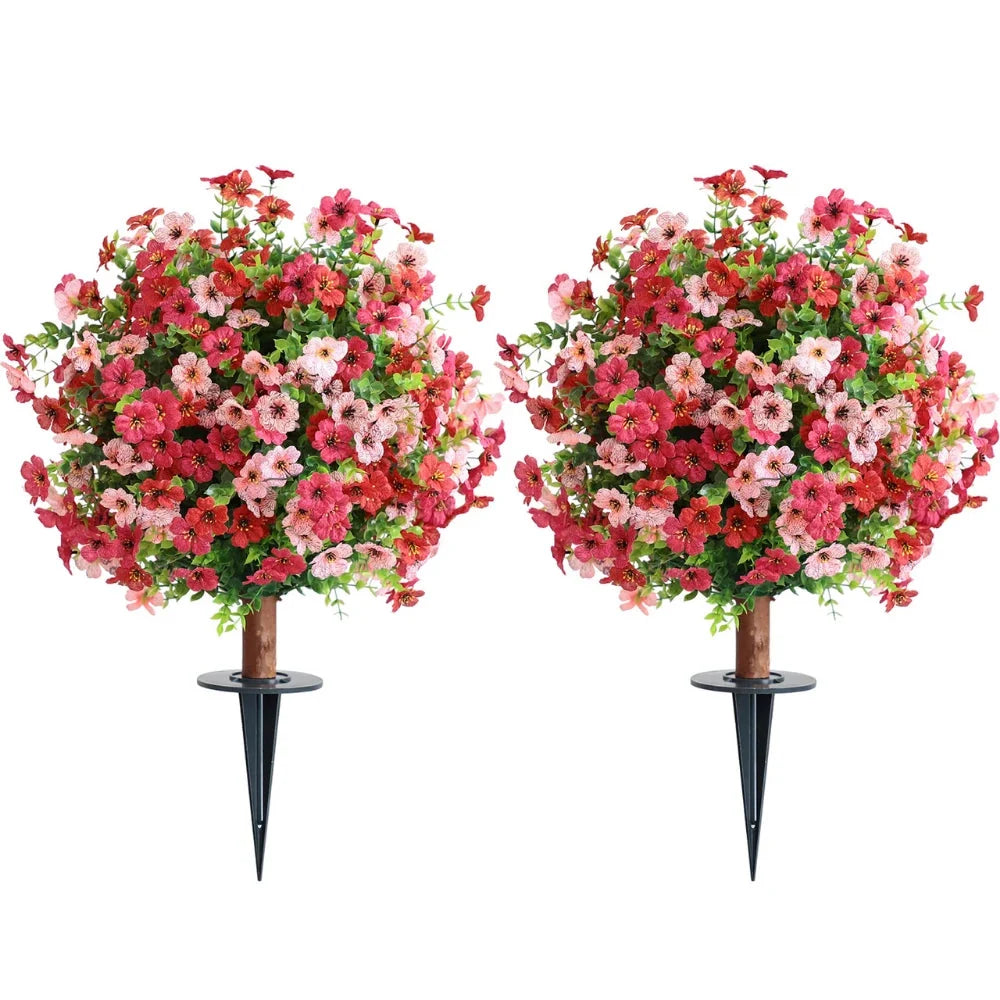
Start with artificial trees for the tall pieces that set the baseline — the 6ft ficus and the 8.2ft olive tree are the shapes people build a room around. Then artificial plants for hand height, outdoor topiary for the porch, and artificial flowers where the spot wants colour rather than green.
Everything ships free within the continental US (Alaska, Hawaii and Puerto Rico excluded), leaves our California warehouse within 24 hours on business days, and arrives in three to five business days. Measure first, then decide — and if it turns out wrong in the room, 30-day returns apply (return terms apply).

The spots that defeat real plants are the ones faux handles without comment.
Share:
Small Balcony Makeover: Greenery Ideas That Fit 40 Square Feet