

Introduction
With Easter just around the corner, are you still struggling with home decorations? Traditional Easter decorations often require a lot of time and effort to maintain. If you have children or pets, you also need to consider safety when choosing decorations. Is there a decoration solution that can create a festive atmosphere, save you time and effort, and ensure the safety of your whole family? The answer is: artificial plants shaped like rabbits.
In this article, we’ll share how to use rabbit-shaped artificial plants to create a cozy Easter home decor, and why this is the perfect choice for families with children and pets.

Why Choose Artificial Plants for Easter Decorations?
- Traditional Challenges of Easter Decorations
Easter is one of the most anticipated holidays of spring. Many families want to decorate their homes with fresh flowers and greenery to create a warm, festive atmosphere. However, fresh plants and flowers come with a number of practical challenges.
First, there are high maintenance costs. Fresh flowers require regular watering, trimming, and replacement. During Easter, you might purchase several pots of fresh plants, but they typically last only 2–3 weeks. Once the flowers wilt, you’ll need to buy replacements or throw them away, which wastes both money and resources.
Second is the safety risk. Many common Easter decorative plants—such as lilies, daffodils, and ivy—are toxic to pets and children. According to data from the American Society for the Prevention of Cruelty to Animals (ASPCA), thousands of pets are poisoned each year after accidentally ingesting toxic plants. For families with curious children, this poses a serious safety risk.
Third is the time and effort required. During the busy Easter season, you’ll need to spend a significant amount of time caring for the plants instead of enjoying quality time with your family.
- The Benefits of Artificial Plants
Artificial rabbit-shaped plants completely solve these problems. These thoughtfully designed decorations are not only beautiful but also offer unmatched convenience and safety.
No Maintenance Required: Artificial plants do not need watering, fertilizing, or pruning. They maintain a perfect appearance year-round, whether you’re home or away. This means you can focus on spending time with your family during Easter instead of worrying about plant care.
No Odors: Fresh plants can sometimes emit unpleasant odors, especially when flowers begin to wilt. Artificial plants produce no odors, keeping the air in your home fresh.
Peace of Mind, Effort, and Time: You don’t need to buy special fertilizers, sprays, or other care products. There’s no need for regular pruning or replacing wilted flowers. This saves you valuable time and money.
Completely Safe: Artificial plants are completely non-toxic to pets and children. Even if your pet or child touches the flowers, there are no health risks.

Rabbit-Shaped Artificial Plants: The Perfect Easter Decoration
-
Why Choose Rabbit-Shaped Designs?
The rabbit is the most iconic symbol of Easter. Rabbit-shaped artificial plants combine the festive symbolism of the holiday with the natural beauty of plants, creating a unique and charming decorative effect.
Rabbit-shaped artificial plants typically feature the following characteristics:
Cute Designs: Rabbit designs usually adopt a cartoonish or realistic style, featuring soft lines and friendly expressions. These designs are particularly appealing to children and can add a warm and joyful atmosphere to your home.
Lifelike Texture: Modern artificial plants are made from high-quality materials, boasting realistic textures and details. Even when viewed up close, it’s hard to tell them apart from real plants.

- Uses for Rabbit-Shaped Artificial Plants
Living Room Decor
Placing a rabbit-shaped artificial plant in a corner of the living room or next to the sofa instantly creates a spring and Easter atmosphere. As this is the first thing guests see when they enter your home, it leaves a warm and tasteful impression.
Children's Rooms
Rabbit-shaped artificial plants are perfect for decorating children's rooms. They add a warm, cozy feel to the space and are completely safe—you don't have to worry about children accidentally ingesting toxic plants.
Entrance Hallway
Placing a rabbit-shaped artificial plant by the front door or in the entrance hallway creates a festive welcome for anyone entering your home.
Office Spaces
Even in an office or workspace, a rabbit-shaped artificial plant can add a touch of spring vitality without requiring any of your work time for maintenance.

The Benefits of Artificial Plants for Families with Children
- Safety Is the Top Priority
For families with children, safety is the most important factor when choosing decorations. Children are naturally curious and love to touch and explore their surroundings. Many traditional Easter decorative plants—such as lilies, daffodils, and tulips—are toxic to children.
According to data from the American Association of Poison Control Centers, there are thousands of cases each year of children suffering poisoning from accidentally ingesting toxic plants. Symptoms may include stomach upset, vomiting, and diarrhea, and in severe cases, can lead to more serious health issues.
Artificial rabbit-shaped plants completely eliminate this risk. Since they are made from non-toxic materials, they pose no harm even if a child puts them in their mouth. This allows parents to display these decorations in their homes with peace of mind, without the need for constant supervision or warnings.
- Fostering a Love of Nature in Children
Although artificial plants are not real, they can still help children appreciate and understand the beauty of nature. Rabbit-shaped artificial plants capture children’s attention and spark their interest in plants and the natural world.
Parents can use this opportunity to teach children about spring, Easter, and nature. For example, you can explain why rabbits are associated with Easter or discuss the habits of real rabbits.
- Reducing the Burden of Household Chores
For busy parents, time is the most precious resource. Caring for real plants requires extra time and effort—watering, fertilizing, pruning, and replacing wilted flowers. During the busy Easter season, these additional tasks can add to the stress.
Rabbit-shaped artificial plants eliminate these maintenance tasks. You can devote that time and energy to interacting with your children, family activities, or other important matters.

The Benefits of Artificial Plants for Pet-Owning Households
- Pet Safety
Pets are important members of the family, and their safety and health should be a top priority. Many common Easter decorative plants are toxic to pets, including:
Lilies: Particularly dangerous to cats. Even minimal exposure can lead to kidney failure.
Daffodils: Contain toxic substances that can cause vomiting, diarrhea, and abdominal pain in pets.
Tulips and Hyacinths: Contain toxic alkaloids that can cause stomach upset and nervous system issues in pets.
Ivy: May cause skin irritation and digestive issues in pets.
According to the American Society for the Prevention of Cruelty to Animals (ASPCA), spring is the season with the highest number of pet poisoning incidents, primarily due to Easter and spring decorative plants.
Artificial rabbit-shaped plants are completely safe. Even if your pet chews, licks, or interacts with them, there are no health risks. This allows you to place these decorations in your home with peace of mind.
- Odorless and Allergen-Free
Some real plants may produce pollen or other substances that can trigger allergic reactions in pets. Certain pets may also be sensitive to the scent of flowers.
Artificial plants do not produce pollen, scents, or other allergens. This is particularly beneficial for pets with allergies or respiratory sensitivities.
- Pet-Friendly Decor
Pets sometimes interact with home decor out of curiosity. Real plants may be knocked over, chewed on, or trampled by pets, leading to messes and potential injuries.
Artificial rabbit-shaped plants are typically more durable and can withstand interaction from pets. Even if knocked over or chewed on, they are not as prone to damage or posing a hazard as real plants.

Comparison with real plants
| Feature | Artificial Plants | Real Plants |
| Maintenance | None | High (watering, fertilizing, pruning) |
| Odor | None | Possible (especially when wilting) |
| Safety (Children/Pets) | Completely safe | Many varieties are toxic |
| Appearance Longevity | Attractive year-round | Seasonal, prone to wilting |
| Cost | One-time investment | Ongoing costs (replacement, care supplies) |
| Allergens | None | May cause pollen allergies |
| Environmental Impact | Reusable | Single-use (typically) |
| Flexibility | Can be moved at any time | Requires appropriate light and temperature |
Easter Decoration Ideas
- Creative Arrangement Ideas
Idea 1: Spring Corner in the Living Room
Create a spring-themed display area in a corner of your living room. Combine rabbit-shaped artificial plants, Easter egg decorations, and spring flowers (such as artificial tulips or cherry blossoms) to create a cozy, festive corner.
Idea 2: Entryway Welcome Decor
Place rabbit-shaped artificial plants near your front door or in the entryway, paired with spring flowers and a welcome sign, to create a festive atmosphere for guests.
Idea 3: Spring Theme for the Kids’ Room
Create a spring and Easter theme in the kids’ room. Use rabbit-shaped artificial plants, spring colors (such as pink, mint green, and soft blue), and other child-friendly decorations.

- Decorating Tips
Layering: Place decorations at different heights to create visual depth and interest.
Color Coordination: Choose complementary colors to create a harmonious visual effect.
Mixing Materials: Combine artificial plants with other materials—such as ceramics, wood, or metal—to add visual texture.
Lighting: Use warm lighting to highlight decorations and create a cozy atmosphere.

Care and Cleaning of Artificial Plants
Although artificial plants do not require watering or fertilizing, regular cleaning helps maintain their aesthetic appeal and realistic appearance.
- Cleaning Methods
Gently Dust: Use a soft-bristled brush or microfiber cloth to gently wipe the surface of the plant and remove dust.
Warm Water Cleaning: For plants that are particularly dirty, gently clean them with warm water and a small amount of mild soap. Avoid using harsh detergents or harsh chemicals.
Drying: After cleaning, dry the plant with a dry cloth to prevent moisture from remaining.
Frequency: Depending on environmental conditions, clean once a month or once a quarter.
- Storage
After Easter, you can store your rabbit-shaped artificial plant for use next year.
Packaging: Wrap the plant in a soft cloth or paper to prevent damage.
Storage Location: Choose a dry, cool place for storage, avoiding direct sunlight and extreme temperatures.
Protection: Avoid placing heavy objects on the plant to prevent deformation.
Conclusion
Rabbit-shaped artificial plants are the perfect choice for Easter decorations, especially for families with children or pets. They offer unmatched convenience, safety, and aesthetic appeal.
No Maintenance: You can forget about the hassle of watering, fertilizing, and pruning, and focus on spending quality time with your family.
No Odors: Enjoy a fresh home environment without worrying about the unpleasant smell of wilting plants.
Peace of Mind, Effort, and Time: Save time, energy, and money—resources you can devote to more important matters.
Completely Safe: Children and pets can safely interact with the decorations, giving parents peace of mind.
This Easter, consider decorating your home with rabbit-shaped artificial plants. Not only will they create a warm, festive atmosphere, but they’ll also allow you and your family to enjoy a stress-free Easter celebration.
Shop the pieces in this guide
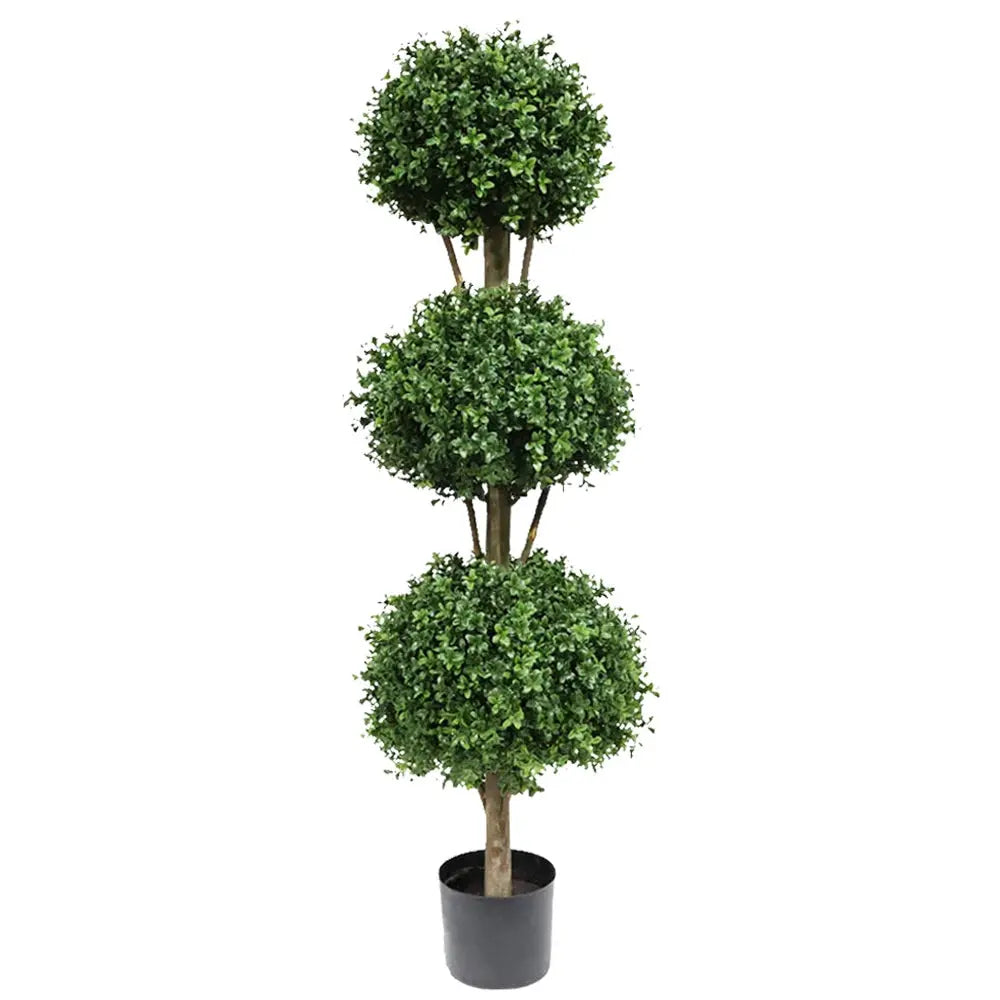
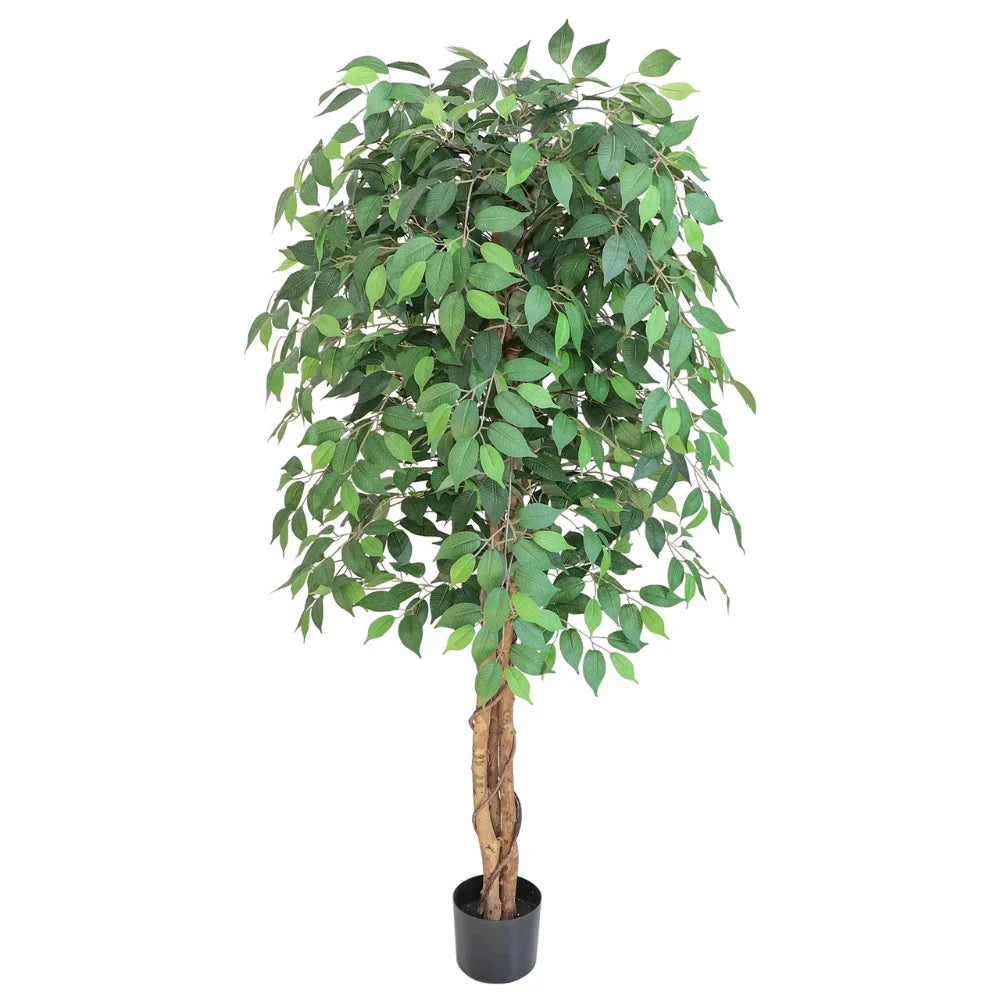
If you are ready to bring any of these ideas home, start here: 17in white rose wreath, 24in white phalaenopsis orchid and 3ft boxwood spiral topiaries (set of 2). Every order ships free within the US and comes with 30-day returns (return terms apply).

Share:
Transform Your Home with Faux Plants: The 2026 Zero-Maintenance, Eco-Friendly Decor Guide