

Transform Your Home with Faux Plants: The 2026 Zero-Maintenance, Eco-Friendly Decor Guide
April 2026 · 7 min read · Home Decor & Styling
What if you could have the lush, calming beauty of a full indoor garden — without ever touching a watering can, worrying about sunlight, or calling a vet after your cat chews a leaf?
In 2026, faux plants aren't the dusty plastic imitations of the past. Today's premium artificial plants are so hyper-realistic that guests reach out to touch them. Interior designers specify them for luxury apartments. 2026 design trend report names greenery as a top home priority — and high-quality faux plants are leading that charge.
This guide shows you exactly how to use faux plants to transform every room, which styles are dominating 2026, and why more homeowners — especially pet owners — are never going back to real.
Why Faux Plants Are Having Their Biggest Moment Yet
The US artificial plant market crossed $500 million in online sales in 2025, growing 40% year-over-year. Search interest in "faux plants" is rising faster than "fake plants" — signaling that buyers aren't looking for cheap imitations anymore. They want design-forward, premium greenery that fits their lifestyle.
Three forces are driving that shift:
1. Zero Maintenance — Seriously, Zero
Real plants demand time, skill, and consistent attention. A fiddle leaf fig can drop every leaf if you look at it wrong. Move it two feet from the window? Dead. Forget to water it once during a work trip? Dead.
A premium faux plant sits perfectly in that same corner for years — no wilting, no soil mess, no emergency repotting on a Sunday night. For busy professionals, frequent travelers, and everyone who loves the idea of plants but not the labor, this is a complete lifestyle upgrade.
2. Pet-Safe and Child-Safe, Always
The ASPCA lists dozens of beloved houseplants as toxic to cats and dogs — pothos, peace lily, aloe vera, and even the famously "easy" snake plant. For pet owners, every beautiful plant comes with a quiet anxiety.
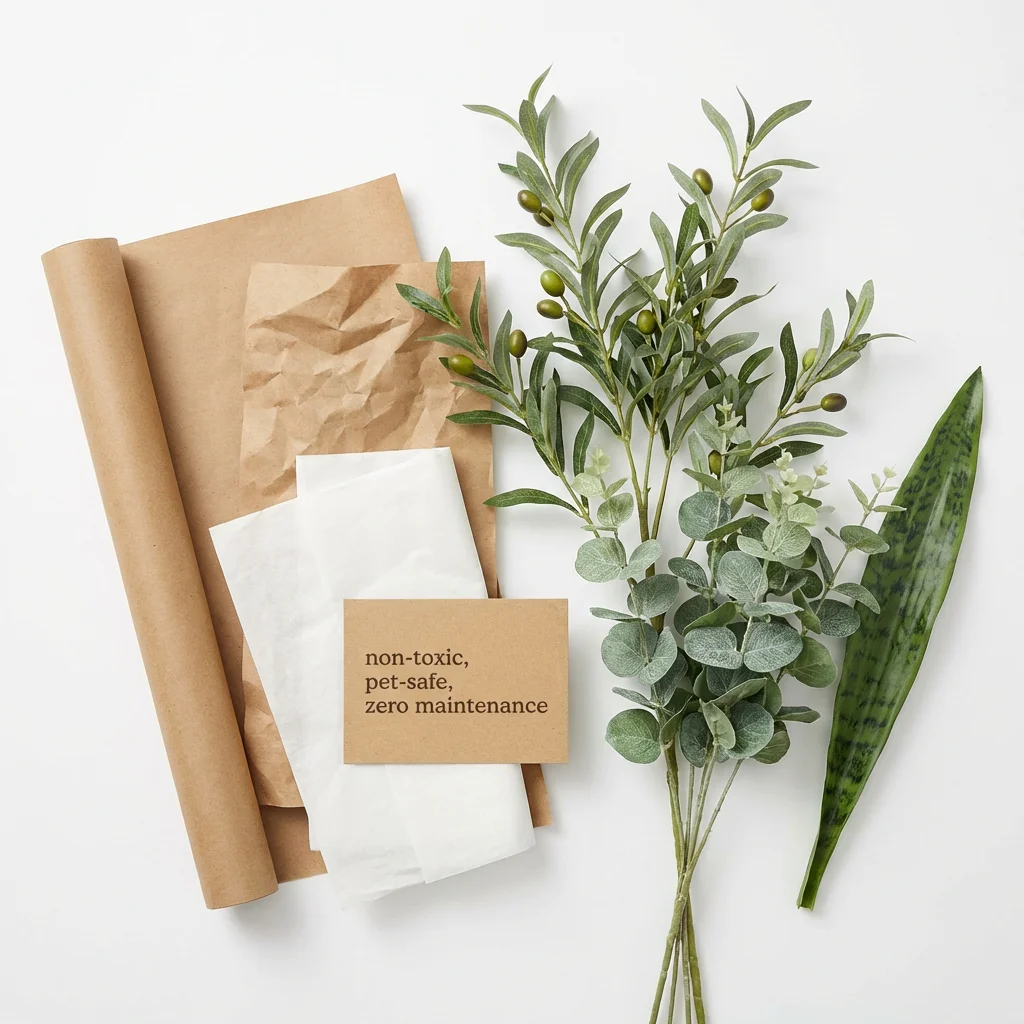
Premium non-toxic faux plants solve that entirely. No pesticides, no fertilizers, no toxic compounds — just beautiful, worry-free greenery your whole household can enjoy safely.
3. Eco-Friendly by Design
We hear the question: "Isn't faux plastic bad for the planet?" Here's the full picture:
| Real Plant (3-yr cycle) | Premium Faux Plant (8-yr cycle) | |
|---|---|---|
| Water | 1–5 gallons / week | Zero |
| Chemicals | Fertilizer + pesticides regularly | Zero |
| Plastic waste | Multiple pots + bags replaced | One pot, years of use |
| End of life | Landfill when dead | Recyclable PE materials |
A well-made faux plant used for 8–10 years has a significantly lower environmental footprint than repeatedly buying, overwatering, killing, and discarding real plants. Our collections use BPA-free, phthalate-free polyethylene (PE) and silk materials — safe for your family and kinder to the planet.
The 5 Faux Plants That Are Defining Homes in 2026
1. Faux Olive Tree — The Undisputed Icon of 2026
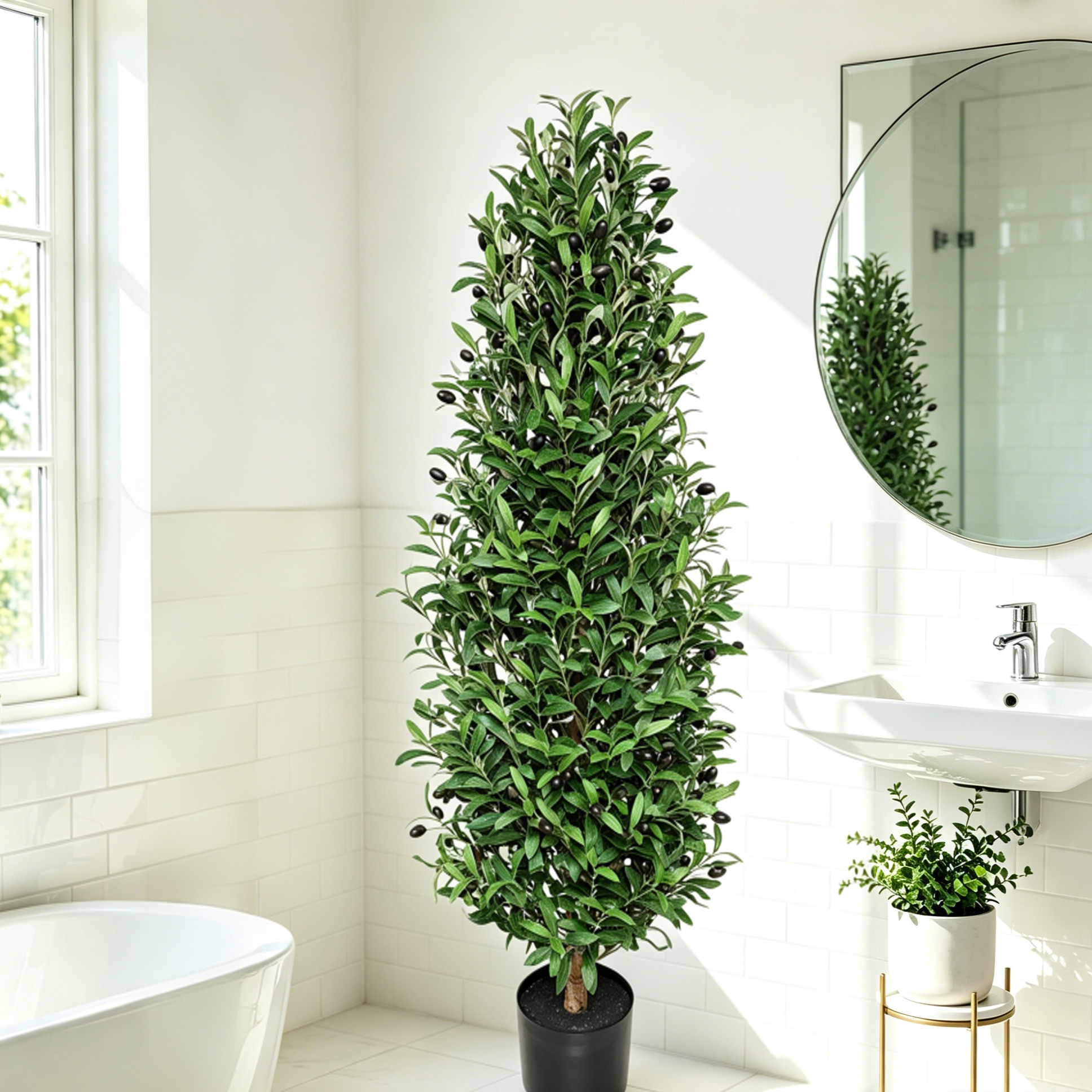
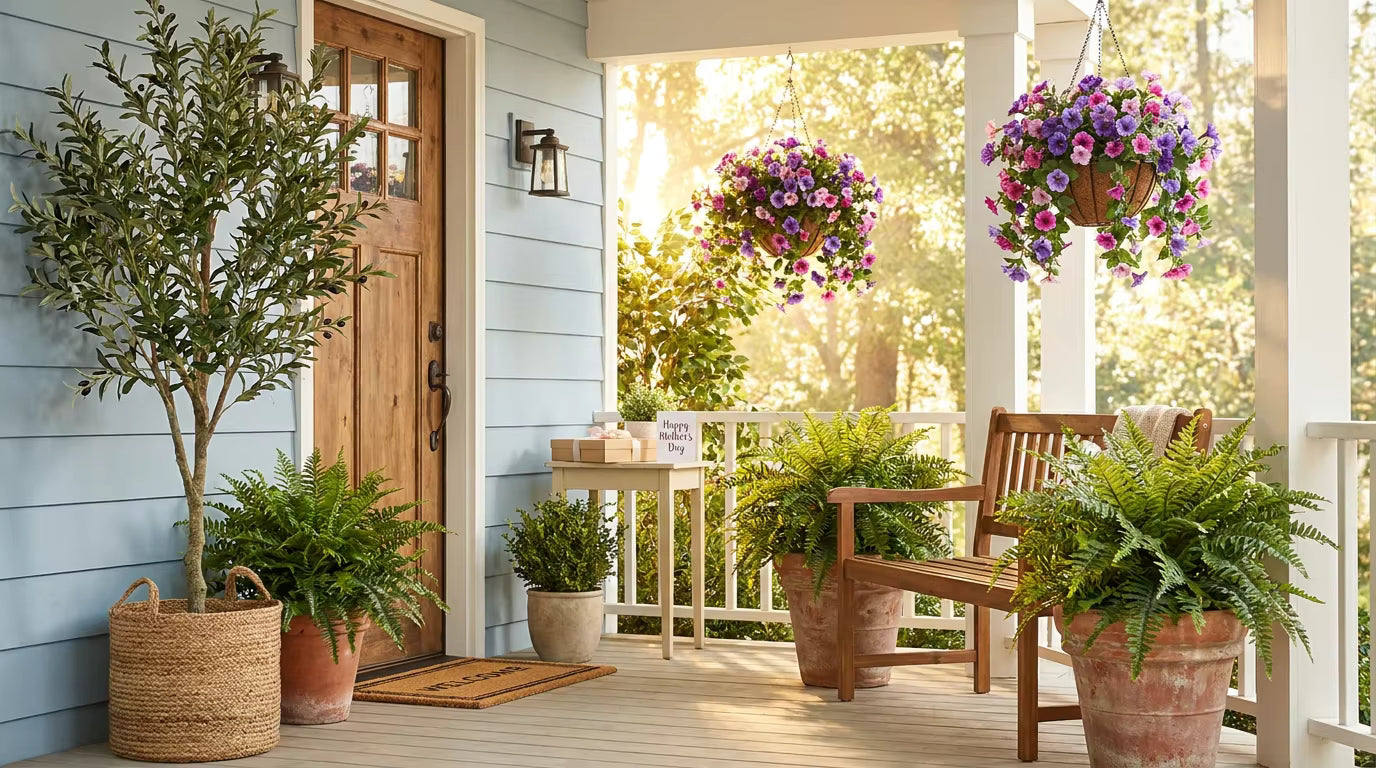
The faux olive tree is the most-searched artificial plant in the US this year — and for good reason. Its silvery-green leaves, gnarled trunk, and Mediterranean personality work in virtually every interior style: California casual, Japandi minimal, transitional farmhouse, modern glam.
- Best rooms: Living room corner, entryway, dining room
- Pot pairing: Aged terracotta, brushed concrete, woven seagrass basket
- Vibe: Warm, sophisticated, effortlessly chic
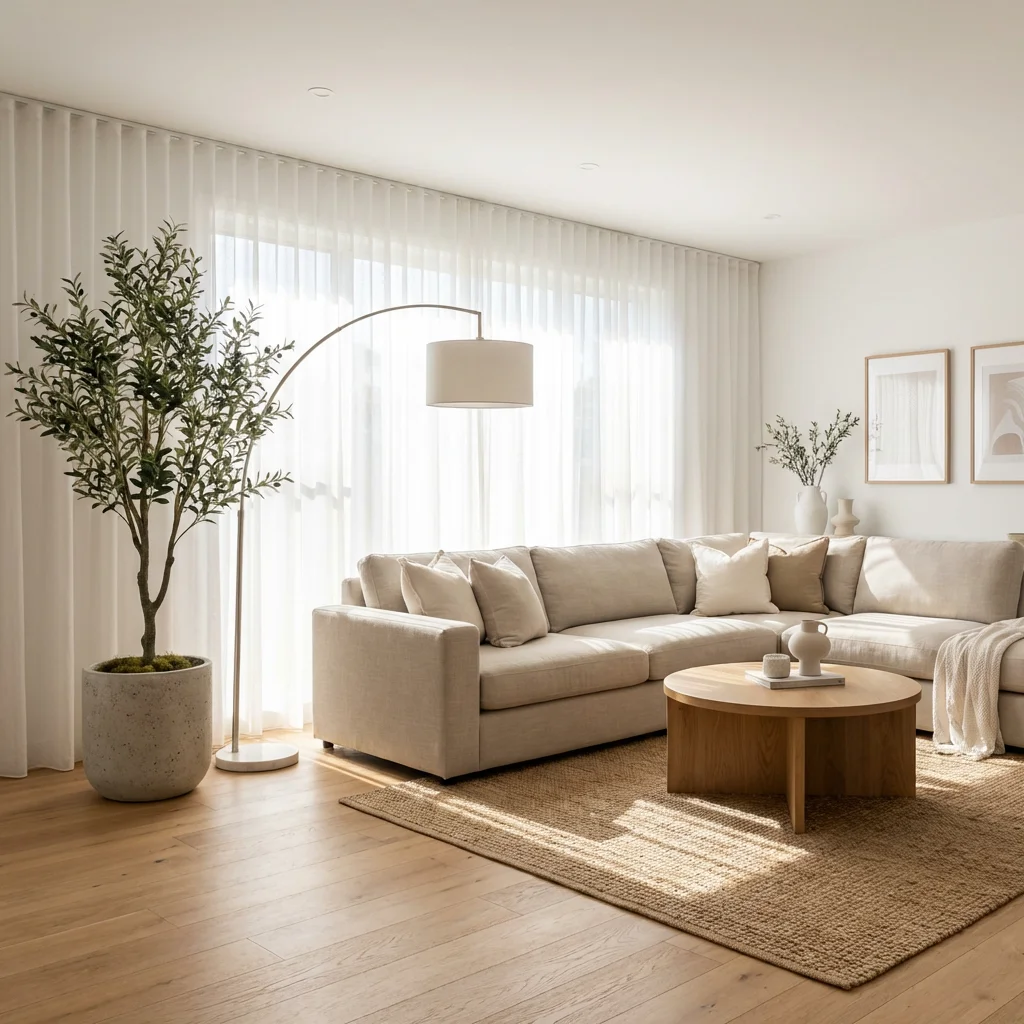
Styling tip: Place a 7 ft faux olive tree in a corner with a warm floor lamp directly behind it. The backlighting creates dramatic depth — and makes guests do a double-take every single time.
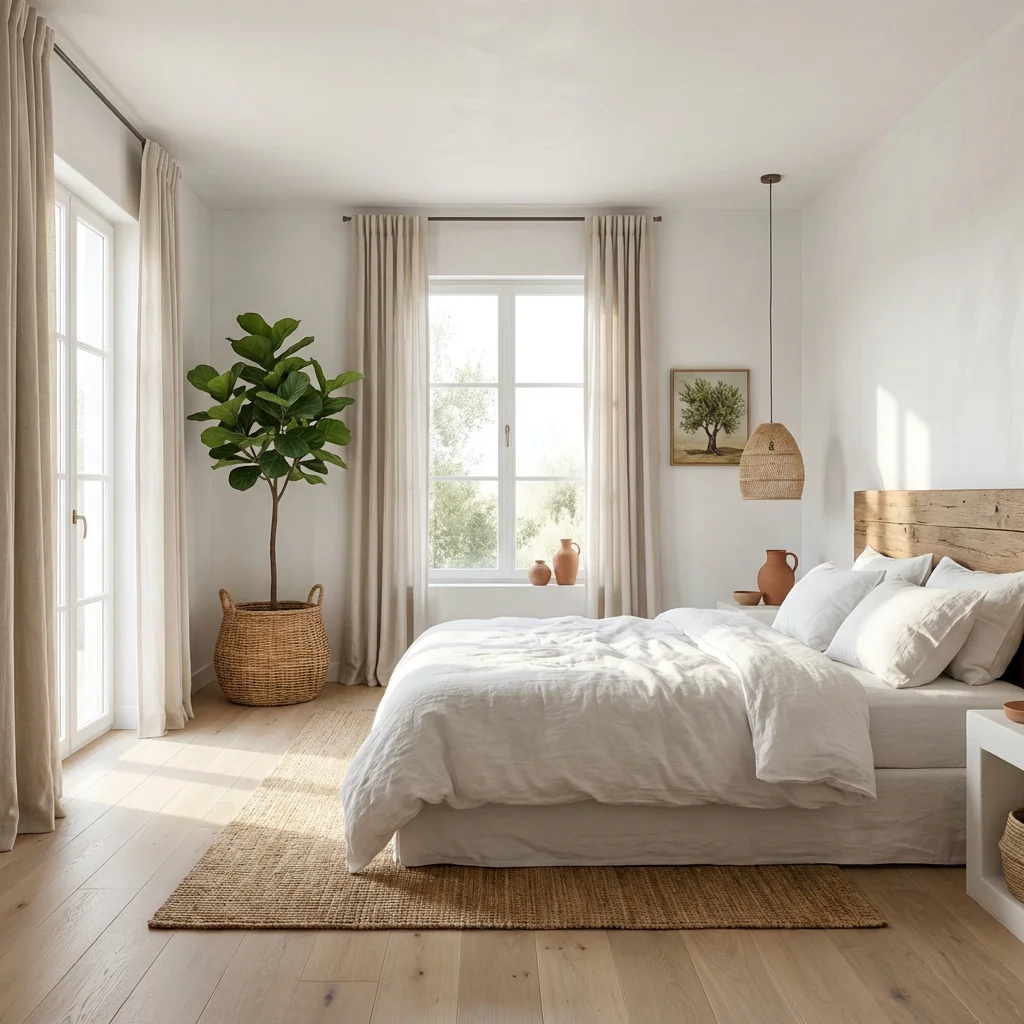
2. Artificial Fiddle Leaf Fig — The Modern Classic That Never Fades
The fiddle leaf fig had its Pinterest moment years ago and it's still going strong — because the real version is notoriously difficult to keep alive. Our artificial fiddle leaf fig captures those iconic large, architectural leaves without any of the drama.
- Best rooms: Bedroom corner, home office, beside a fireplace
- Pot pairing: White ceramic, black matte planter, mid-century wood stand
- Vibe: Clean, architectural, design-confident
3. Faux Bird of Paradise — Tropical Grandeur, Zero Humidity Required
Large, dramatic, unmistakably tropical — the artificial bird of paradise is the statement plant for spaces that need a bold focal point. The real version needs specific humidity, bright indirect light, and careful watering. Our faux version? Place it anywhere, forget about it, love it forever.
- Best rooms: Open-plan living areas, large entryways, beside a sofa
- Pot pairing: Oversized terracotta, raw linen planter, wicker basket
- Vibe: Bohemian, tropical, maximalist-with-restraint
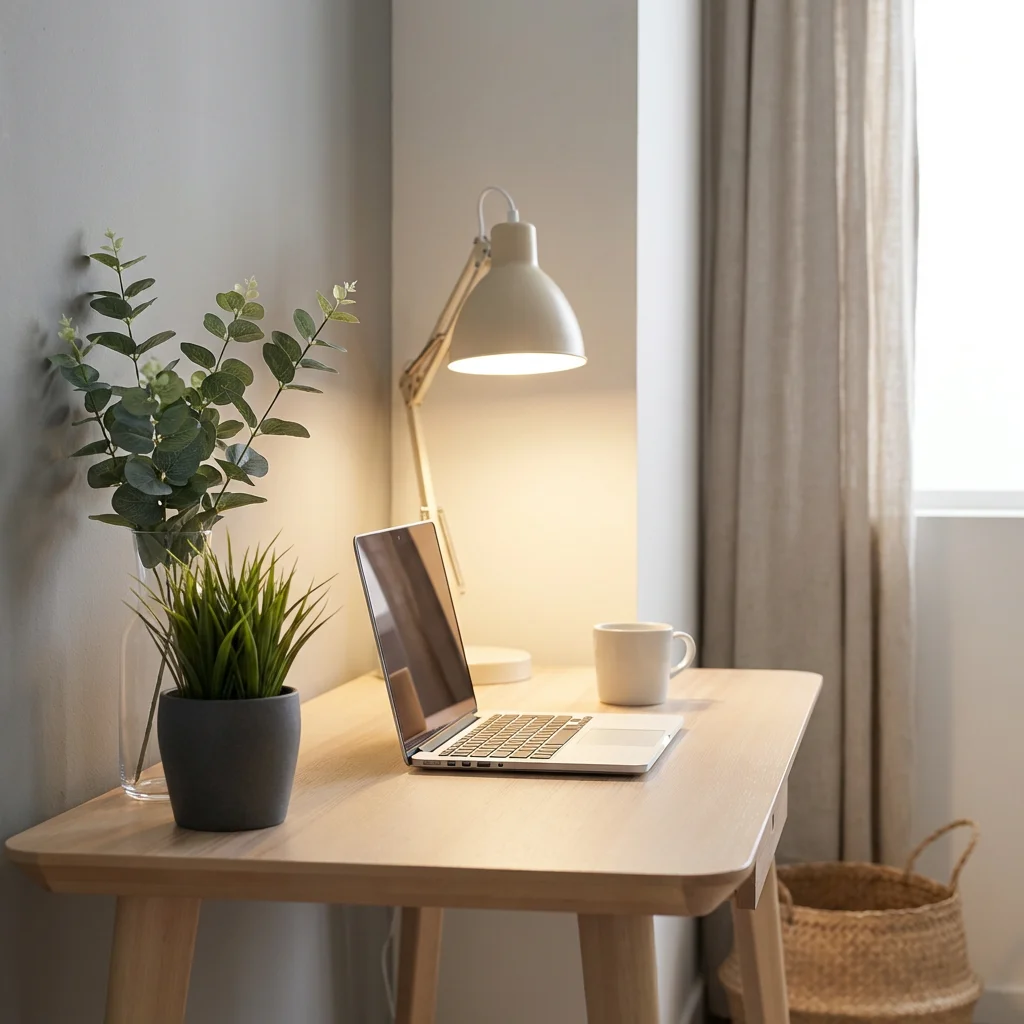
4. Faux Eucalyptus Tree — The Japandi Essential
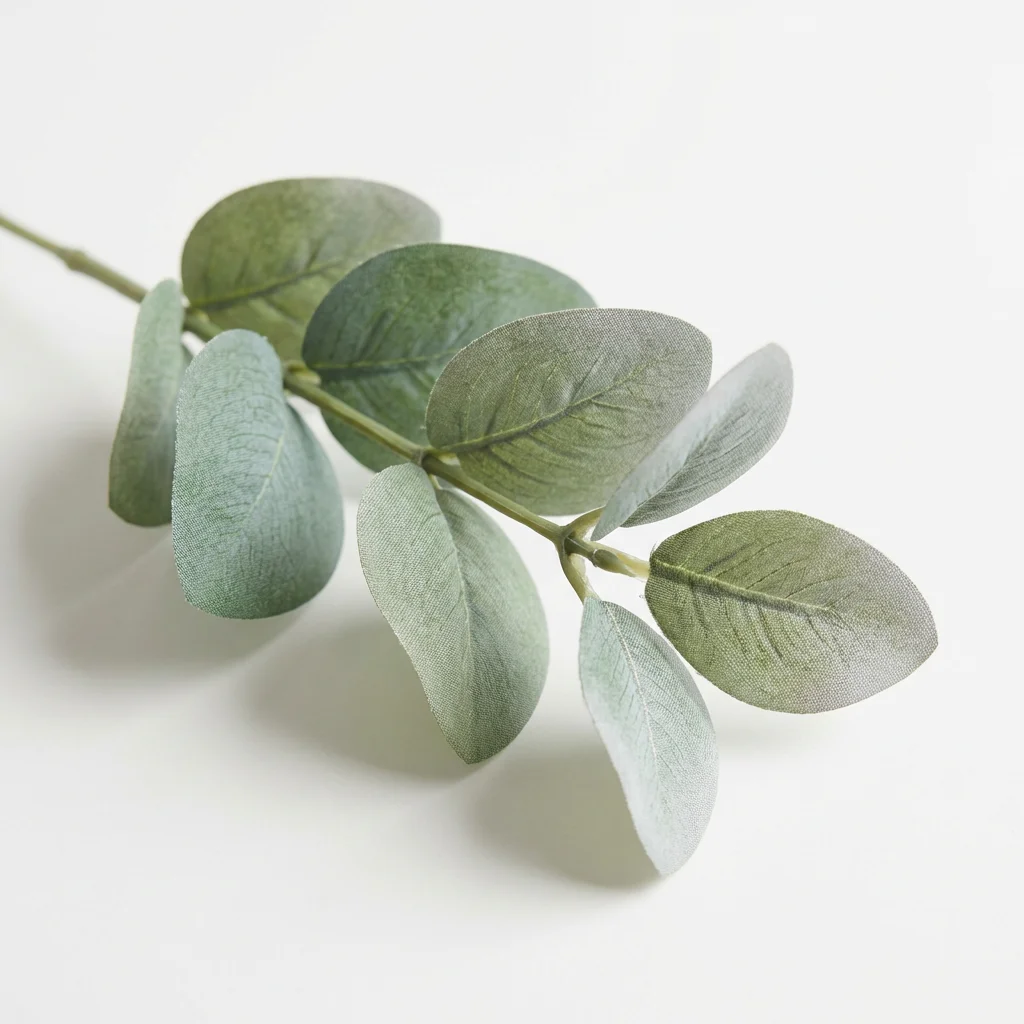
If you're drawn to the calming minimalism of Japandi design (Japan meets Scandinavia), the faux eucalyptus tree is your plant. Its silver-green leaves, slender silhouette, and soft texture bring that perfectly balanced, "lived-in-but-curated" quality without any upkeep.
- Best rooms: Bathroom corner, bedroom reading nook, home office
- Pot pairing: Matte white, pale stone ceramic, brushed sand-colored vessel
- Vibe: Calm, meditative, effortlessly chic
5. Faux Snake Plant — The Architectural Quick Win
The faux snake plant suits modern, boho, and industrial interiors alike. Its upright, structural form adds height and geometry to low-furniture spaces. Unlike the real version — which still requires some care — the faux is completely foolproof. Forget it exists. It will still look perfect.
- Best rooms: Home office desk, bathroom shelf, entryway console
- Pot pairing: Sleek black cylinder, geometric concrete, brushed gold
- Vibe: Confident, modern, a little edgy
Room-by-Room Faux Plant Styling Guide
Living Room: Go Tall, Go Bold
Your living room is where your faux plant makes its biggest statement. Choose one hero plant — a 7 ft faux olive tree or bird of paradise — as your room's anchor. Then layer in 1–2 smaller plants on shelves or side tables for depth. Avoid symmetry: odd numbers and varied heights always look more natural.
Rule of thumb: The bigger the room, the taller the plant. A 6 ft tree in a small apartment feels crowded. The same tree in an open-plan space looks perfectly proportioned.
Bedroom: Calm, Clean, Biophilic
Research consistently shows that greenery in the bedroom improves perceived air quality and mental calm. A faux fiddle leaf fig in the corner, or a pair of faux snake plants flanking the headboard, creates that spa-like quality without any care concerns or allergens.
Rule of thumb: Choose muted greens and soft silhouettes — nothing too spiky or dramatic. The bedroom should feel restorative, not stimulating.
Home Office: Focus and Freshness
Studies show that plants — real or faux — reduce perceived stress and increase productivity. A faux eucalyptus or snake plant on your desk or in the corner signals that your workspace is intentional and premium. This matters for video calls as much as personal wellbeing: green is always a better background than a blank wall.
Rule of thumb: Keep office plants upright and structured. Trailing or bushy plants look messy on camera backgrounds.
Bathroom: The Most Underrated Upgrade
Most people don't think to put plants in the bathroom — precisely because real plants struggle with fluctuating light and humidity. This is where faux plants genuinely outperform their real counterparts. A faux eucalyptus in a tall rattan basket instantly creates that boutique-hotel feel. No mold risk, no root rot. Ever.
Rule of thumb: Go for spa tones — sage, silver-green, soft white. Avoid bright tropical colors in most bathrooms.
The Pet-Friendly Home: No More Trade-Offs
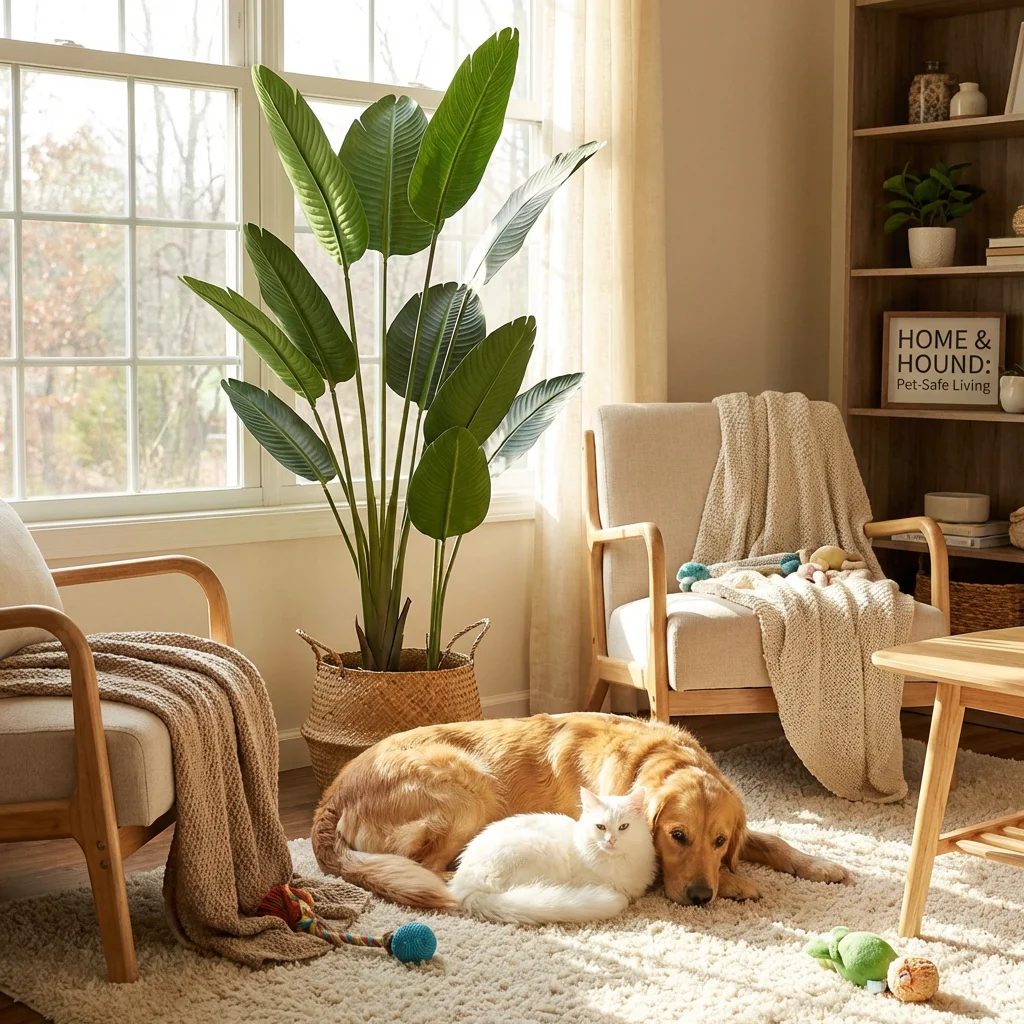
For households with cats, dogs, or both, plant selection has always been stressful. The ASPCA lists dozens of common houseplants as toxic — including peace lily, aloe vera, pothos, and snake plant. Every gorgeous arrangement comes with a quiet risk calculation.
Premium pet-safe artificial plants remove that equation entirely. Every plant in our collection is:
- ✅ 100% non-toxic — no harmful dyes, no chemical coating
- ✅ Safe even if chewed — we don't encourage it, but it won't harm your pet
- ✅ Zero pesticides or fertilizers — clean in every sense
- ✅ No soil — which means no digging, no mess, no ingested dirt
3 Rules Every Interior Designer Uses (That You Should Too)
Rule 1 — Match the Pot to Your Room's Existing Palette
The plant draws the eye; the pot grounds the plant. A stunning faux olive tree in a mismatched plastic pot undermines the whole effect. Spend 10 minutes finding the right vessel — it's doing as much decorating as the plant itself. Terracotta warms a room. Matte black modernizes it. Wicker softens it.
Rule 2 — Use Odd Numbers and Vary Heights
Three plants of different heights feel organic and intentional. Two identical plants side-by-side feel stiff and over-planned — ironically more "fake" than one plant alone. When grouping, try: one tall + one medium + one trailing or small. That simple formula works in every room.
Rule 3 — PE Leaves Beat Fabric in Bright Light
When shopping online, look for polyethylene (PE) leaves rather than fabric or polyester. PE has the translucency and subtle veining of real leaves and holds its shape under bright light. Fabric plants can look washed-out near a window. If in doubt: read reviews mentioning how it looks after six months — that's the true quality test.
Frequently Asked Questions
Do faux plants need any maintenance at all?
Very minimal. A light dusting every 4–6 weeks with a microfiber cloth keeps them looking pristine. For textured PE leaves, a slightly damp cloth removes dust buildup. No pruning, watering, repotting, or sunlight management — ever.
How long do premium faux plants last?
With basic care, 8–12 years for indoor versions. UV-treated outdoor faux plants last 5–7 years in direct sun. That longevity is a core part of their environmental and economic case.
Are they safe for babies and children's rooms?
Yes. Our range uses non-toxic, BPA-free materials throughout. There's no soil, no fertilizer, and no risk of toxic ingestion. We still recommend keeping larger plants out of reach of very young children as a general precaution.
Can I use faux plants in low-light rooms with no windows?
Absolutely — this is one of the biggest advantages over real plants. Faux plants look identical whether placed in a sun-drenched living room or a windowless hallway. No light requirements, no leggy growth, no yellowing leaves.
Will they look fake in photos and on video calls?
Premium PE faux plants photograph beautifully. Many interior accounts on Instagram and Pinterest use them exclusively. Lighting is the key variable: soft natural light or a warm lamp makes them indistinguishable from real. Harsh overhead fluorescents can expose any plant — real or faux.
Can I use faux plants outdoors?
Only UV-resistant outdoor-rated faux plants should go outside. Look for UV-treated PE materials and weather-resistant pots. Our outdoor collection is rated for full sun exposure and won't fade, bleach, or deteriorate in rain.
Ready to Bring Your Space to Life?
Whether you're looking for a dramatic faux olive tree for your living room, a calming artificial fiddle leaf fig for your bedroom, or a fully pet-safe arrangement your whole family can enjoy — the perfect zero-maintenance plant is waiting.
Shop the Full Collection →
Share:
Easter Decorating Ideas: Create a Cozy Home with Rabbit-Shaped Artificial Plants | Child and Pet Safety
The Best Artificial Plants for Living Room Decor in 2026